
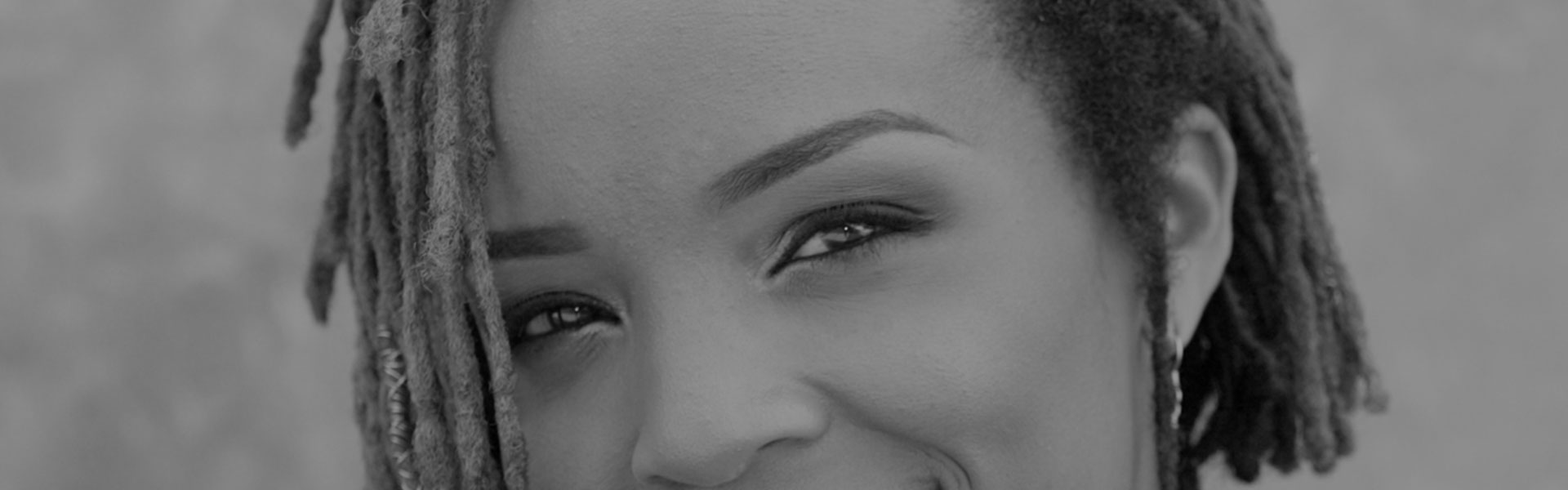
In general, hair type is determined mainly by curl patterns. Loose or wavy is known as 4a. Ringlets, or tight curls, are known as 4b and coily/kinky (afro) is known as 4c. But please note that most, if not everyone, have various hair textures throughout their heads. If you really need to know approximately where you fall on the scale, ask your stylist or find someone who has a similar hair texture as yourself. More importantly, access why you need to know your type. Is it to find products or attain a style? Consider though, what works for one “4C” persons hair may not work for another “4C” persons hair etc. Find the products, styles and care that work for you as an individual.
There are different methods for loc’ing hair and it will depend on how you and your stylist decide to get them started. The comb twist or two strand twist method can take months to finally loc and longer to mature, while methods like interloc’ing (instant locs) and sister locs are loc’d right away and will take less time to mature. Each service varies with respect to time and price.
There are many products that can work such as Shea Butter, Coconut, Castor, Argan or Virgin Olive oil as well as leave-in moisturizers. The best prod-ucts for your natural hair, however, will vary and change with changes to your hair and person. Depending on hair texture, hair health, life style and method of styling, products for natural hair are generally determined by what the hair needs. To determine the best products, consult with your stylist.
Frequency of washing will vary from person to person. You can do Weekly, Bi-weekly or Monthly. Do a smell check. Are there signs of dirt or flaking? Is your scalp oily or itchy? Some people can go a full month without washing, while others will need to wash weekly because of work environment or athletic activity.
Very small (micro) locs with a unique loc’ing patter. This allows for continu-ous growth and is fairly easy to re-tighten and style. The goal is to have locs that can be styled and treated like loose hair.
Yes, we have THE Barber on site.
Appointments are 100% necessary.
On rare occasions if there is a cancellation or free space.
It’s not always necessary to cut off your hair. This will depend on the previous method of loc’ing, age of the locs, hair texture and treatment of hair (has it been colored). Your locs can be detangle or combed out while still leaving a substantial amount of hair. However, attempting to detangle through conditioning and comb-through can cause a significant amount of har loss. The hair remaining most-likely will be seriously damaged and will require a lot of treating and trimming in order to become manageable.
- The causes of hair breakage can be many.
- Lack of moisture (dehydration)
- Lack of treatments
- Too much or too little product
- Wrong products
- Prolonged tight styles
- Mechanical damage
- Chemical damage
- Stress related issues
- Dietary deficiencies
- Medication side effects
- Hormonal imbalances
- Allergies
And more…
Consult with your stylist or medical doctor to further determine the cause of breakage.
Alopecia is the loss of hair at the root and can be caused by a number of reasons. It can be temporary or permanent. It can be in patches or the entire head. Alopecia can be caused by pulling or friction (traction alopecia) or due to autoimmune issues or stress. See your stylist or doctor in order to determine if you have alopecia and if it is something that can be reversed.
In order to see faster hair-growth you will need to stop any and all damage through quality hair care and improve your health through appropriate dieting. Consisting of lots of water and loads of greens, plus proper washing, conditioning, moisturizing with a bit of oil, will ensure that your hair has the proper building materials in order for healthy growth. An occasional trimming of the dead/split ends is also a necessity.
Consistent cleaning and a daily light water-based moisturizer will help. Steam treatments, hot oil and over-night oil treatments are also useful, however, understand that oils and greases do not moisturize. They act as a barrier to hold moisture in the hair if moisture is present and hold moisture out if there is none. Consider using a silk wrap at night to protect hair from cotton pillows cases that steal moisture.
- Comb or brush out hair prior to sleep.
- Lightly spray water and/or moisturizer then 2-strand, cornrow or sweep hair around your head.
- Use a silk or satin scarf, du-rag or bonnet to cover your head when sleeping.
- If you have issues with sleeping with your head covered get a silk or satin pillow case.
Layer on your leave-in conditioner and seal with a natural oil or butter. Ensure that your hair is well moisturized, covered at night when sleeping and the amount of mechanical damage to the hair is reduced (over combing styling etc.).
Yes, all hairs can have split ends. You can stop split ends by keeping your hair moisturized, reducing mechanical damage (over combing and styling) and getting a dusting or trim regularly.
A person normally sheds between 50-100 hairs a day. If you are shedding more than that, there may be issues with your diet, hormones, stress levels or other factors like medication or allergies. Consult your stylist or your doctor to determine the cause of excessive shedding.
*Side note: if you have recently removed a style such as braids, cornrows, weaves or extensions of any kind, the resulting shed is likely an accumulation of week’s worth of shedded hair.
It is possible to transition from chemically processed hair (permed or texturized) to natural hair without doing “The Big Chop”, but it does require a lot of care-treatments and trimming. However, if your hair is badly damaged then you will eventually have to cut. Consult with your stylist to see what your best options are.
To obtain big curls, natural hair can be set on flexi rods, curlers, pipe cleaners or curled with a hot tool (Flat iron or curling iron). The texture of your hair and method of curling depends on what type of curls you want. For shorter hair, some products can be used with a bit of teasing. A popular method for shorter hair is a sponge brush.
A regular wash with a good condition/treatment followed by a good quality moisturizer.
Natural hair can be straightened through heat. A flat iron is relatively safe to do if the right products are used. Ensure that the heating tools are not set to high and is not done too often. Regular treatments are needed to maintain the health of the hair in-between heat styling.
It is usually safe and sometimes best to comb natural hair when dry. If you are removing protective styles from the hair such as cornrows, braids or twists, it is best to comb the hair while it’s dry to remove the excess shed hair and other debris as they may cause the hair to mat when wet.
- First determine what is causing the dryness.
- internal (malnutrition)?
- environmental (weather change, dry house etc.)?
- over use or wrong use of products (using oil on dry non moisturized hair or product build up)?
- See your stylist to assess the reason for dryness and solutions. A simple method can be to apply a quality treatment then adequately moisturize.
The average person loses between 50-100 hairs per day which is like a small ball of hair depending on the volume of your hair.
How often you cut or trim your hair is a personal choice and depends on your life style, how you wear your hair and if you are experiencing damage. People who wear protective styles often you can go longer between cuts and trims. If you are wearing your hair out like twist outs and such, you need to trim and cut more often to maintain the health of your hair. Consider trimming every 8 to 12 weeks. But this is not a rule of thumb because some hair can trim twice a year.
Depending on your hair and scalp quality, treatments should be done every 4-8 weeks in order to maintain good health.
Color does break down the integrity of your hair, therefore it is recommended to have a professional conduct the process and follow up with protein and keratin treatments to restore the hair health. Therefore, done in a meticulous manner and following the rules as per your hair texture… No, but prolonged color processes can be very damaging.
- A good healthy diet
- Adequate rest
- Lots of Water
- Clean and moisturized hair
- Proper tools and technics
- Proper Styling Methods
- Protection
- Love
Begin by talking with your child about their hair with positive words and affirmations. Allow hair-doing time to be a bonding experience. Use the right tools, such as a large tooth comb or detangling brush along with your fingers. Learn the right methods to ensure as little pain as possible. Follow our YouTube tutorials or posts by others. Weekly or bi weekly shampoo and conditioning sessions. Regularly oiling their scalp, keeping the hair moisture. Do simple protective styles that do not put pressure on your child’s head and hairline. Do it with love.
Shea butter is a fat carefully extracted from the nut of the African shea tree. It is very high in many fatty acids, making it anti-inflammatory and moisturizing for both skin and hair. Packed with natural vitamins shea butter can be used to help prevent dandruff and hair breakage.
- Melanin is the natural pigment that determines the color of human hair, skin and eyes. Those with darker skin have more melanin which protects it from sun damage, as it increases while exposed
- There are two types of melanin:
- Eumelanins: gives hair and skin its dark colors.
- Pheomelanins: gives hair and skin its light colors.
*The loss of either types of melanin is what causes grey hair.
- Consider looking for someone who has a long history dealing with not only natural hair, but all types. A quality stylist will understand what your hair care needs are and will work with you to achieve beautiful healthy results. Find someone who will inform you not only about the condition of your hair, but if necessary, will give quality solutions or a roadmap to success.
- Encouragement is a major quality that your stylist must possess. A little encouragement “grows hair” a long way.
The method of texturizing is intentionally breaking the bonds in the hair in order to change its curl pattern. Texturizing causes dryness, breakage and difficulty in combing and styling. It is especially hard to maintain because it is hard to find the line between the processed hair and hair that was not, in order to retexturize again causing further breakage. In short, it is not a favorable method for long term care of your hair.
- Maintain a good diet with lots of water
- Proper tools and technics for maintenance
- Maintain cleanliness of both hair and scalp
- Keep it moisturized
- Do protective styling from time to time especially in cold harsh climate
- Do not over manipulate – if it’s too tight it’s not right!
- Do not over process with chemicals (color included)
- Cover at night while you sleep – satin is best
- Trim and treat regularly
Yes, a large part. Proper nutrition is the building blocks of all of our cells. this is a major requirement in maintaining healthy hair that grows well.